

What we do
Energy Storage Systems
Carry the power of solar into every hour of the day.
Store what you generate for the moment you need it: bring your energy costs under control, lean less on the grid, and keep your home or business running through a power cut.
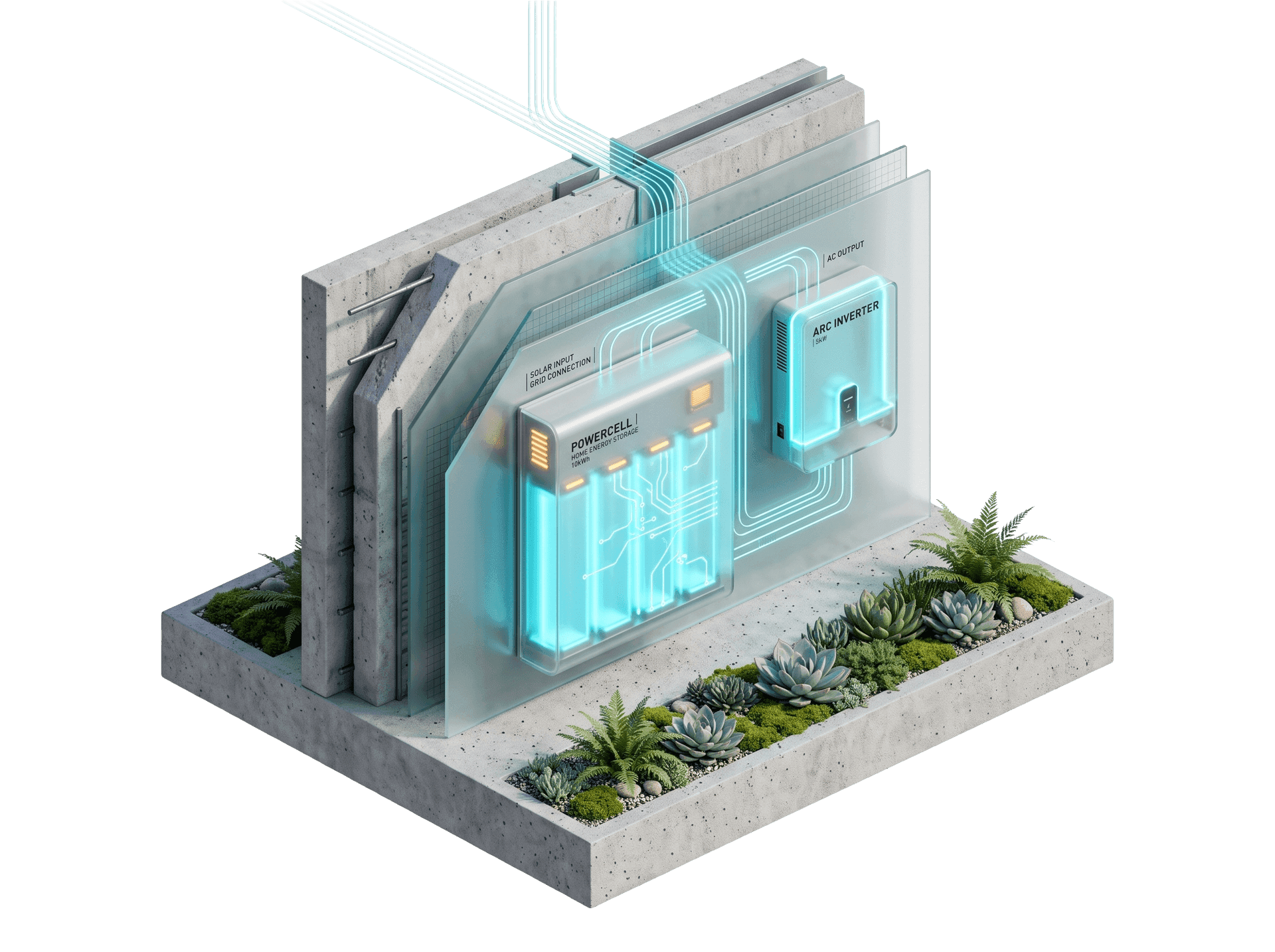
Storage at every scale
From homes to commercial facilities and grid applications: storage systems that deliver continuity, cost optimisation and energy independence.
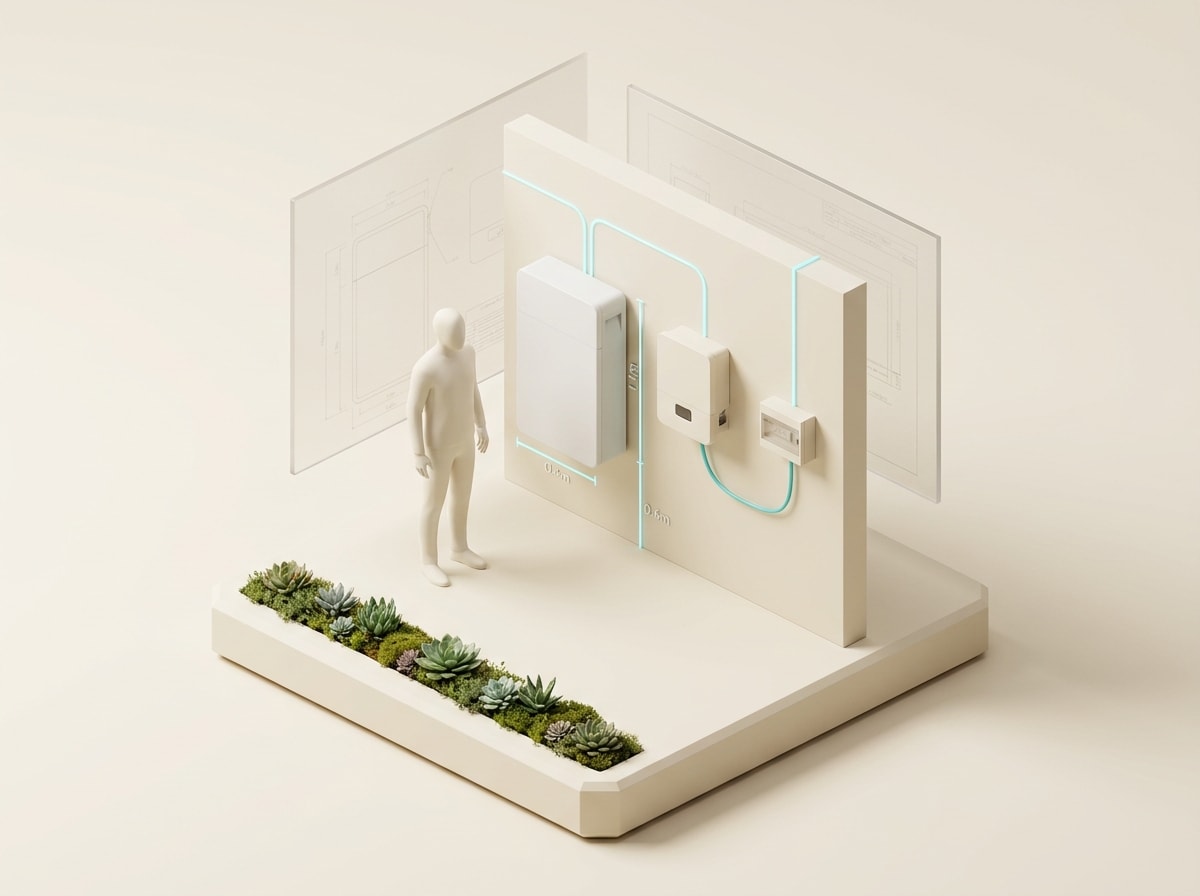
Home
Home storage lets you use the solar energy generated during the day in the evening. It feeds critical loads through a power cut, keeping the house comfortable and leaning less on the grid.
- More of your solar put to use
- Backup power during outages
- A higher self-consumption rate
- Greater energy independence
Typical capacity: 5-100 kWh
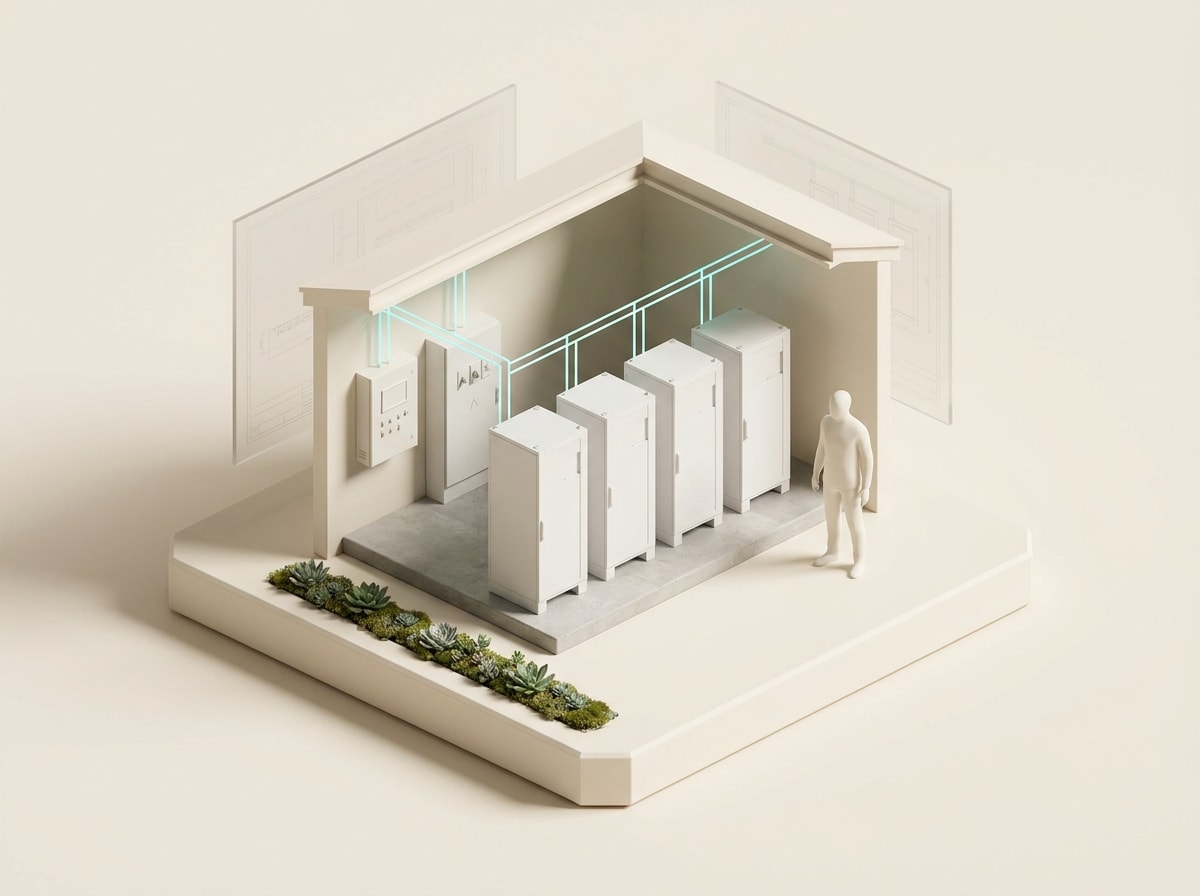
Commercial & industrial
Storage built for businesses and production facilities: it optimises consumption profiles to lower energy costs, holds operations steady through outages, and makes energy management more efficient.
- Lower demand and peak charges
- Uninterrupted power for critical loads
- Continuity of production and operations
- Effective management of energy costs
Typical capacity: 100 kWh to a few MWh
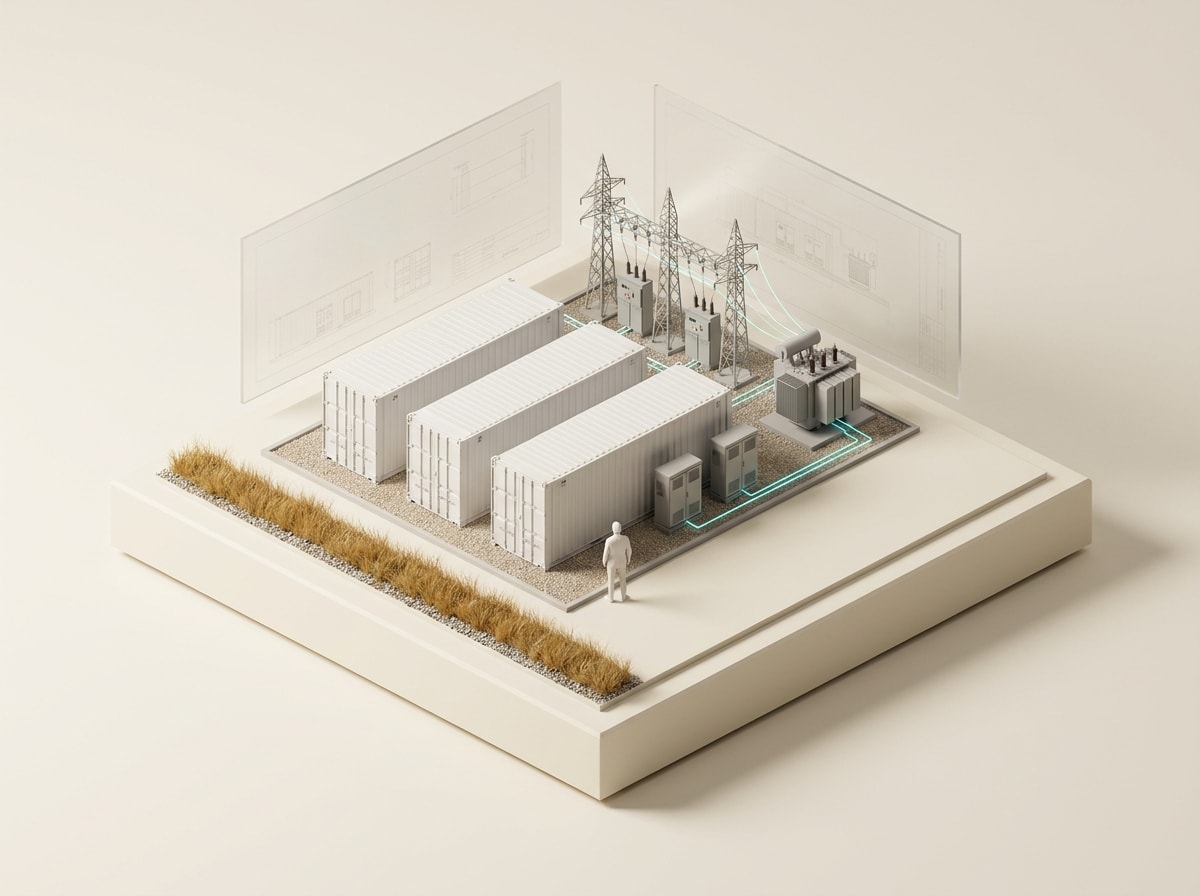
Utility scale
Large-scale storage supports renewable generation and contributes to grid stability. It lets energy be used when it is needed and helps the infrastructure run more flexibly. It also opens up investment in licensed solar-plus-storage projects.
- Grid flexibility and stability
- Renewable energy integration
- Load balancing and energy management
- Large-scale storage capacity
Typical capacity: a few MWh to hundreds of MWh
The main components
LFP cell technology
The LFP (lithium iron phosphate) batteries used in storage systems offer high safety, a long cycle life and steady performance. Built for daily use, they store energy reliably for years.
Inverter and energy management system (BMS/EMS)
The inverter and energy management system act as the brain, governing energy flow in real time. By optimising what is generated, stored and consumed, they raise efficiency and keep operation safe and uninterrupted.
Common questions
Can storage be added to my existing PV system?
In most cases, yes. Depending on how the existing system is built, integration comes either through a hybrid inverter conversion or an add-on storage unit.
How long do the batteries last?
LFP batteries generally have a 6,000+ cycle life. Depending on how they are used, that means 10-15 years of service or more.
Does the system keep running during a power cut?
Storage systems with a backup function step in when the grid goes and keep feeding designated loads.
How does storage affect my bill?
By putting the energy you generate to better use, it can reduce how much you draw from the grid and optimise your energy costs.
How is the capacity I need decided?
Consumption habits, installed solar capacity and your energy goals are analysed to arrive at the right capacity.
Ready?
Let's plan the energy transformation that starts on your roof
From solar and storage to EV charging and climate control, let's design the right system for your needs.